


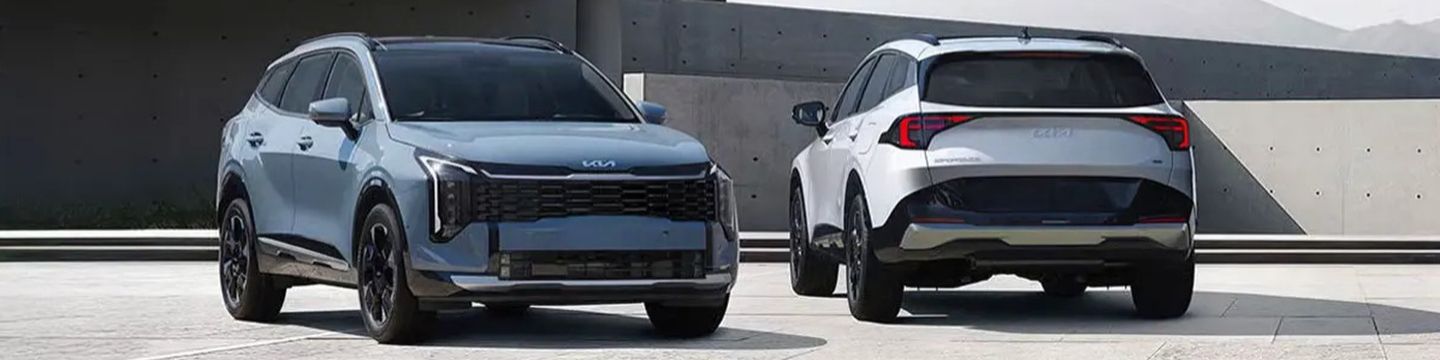
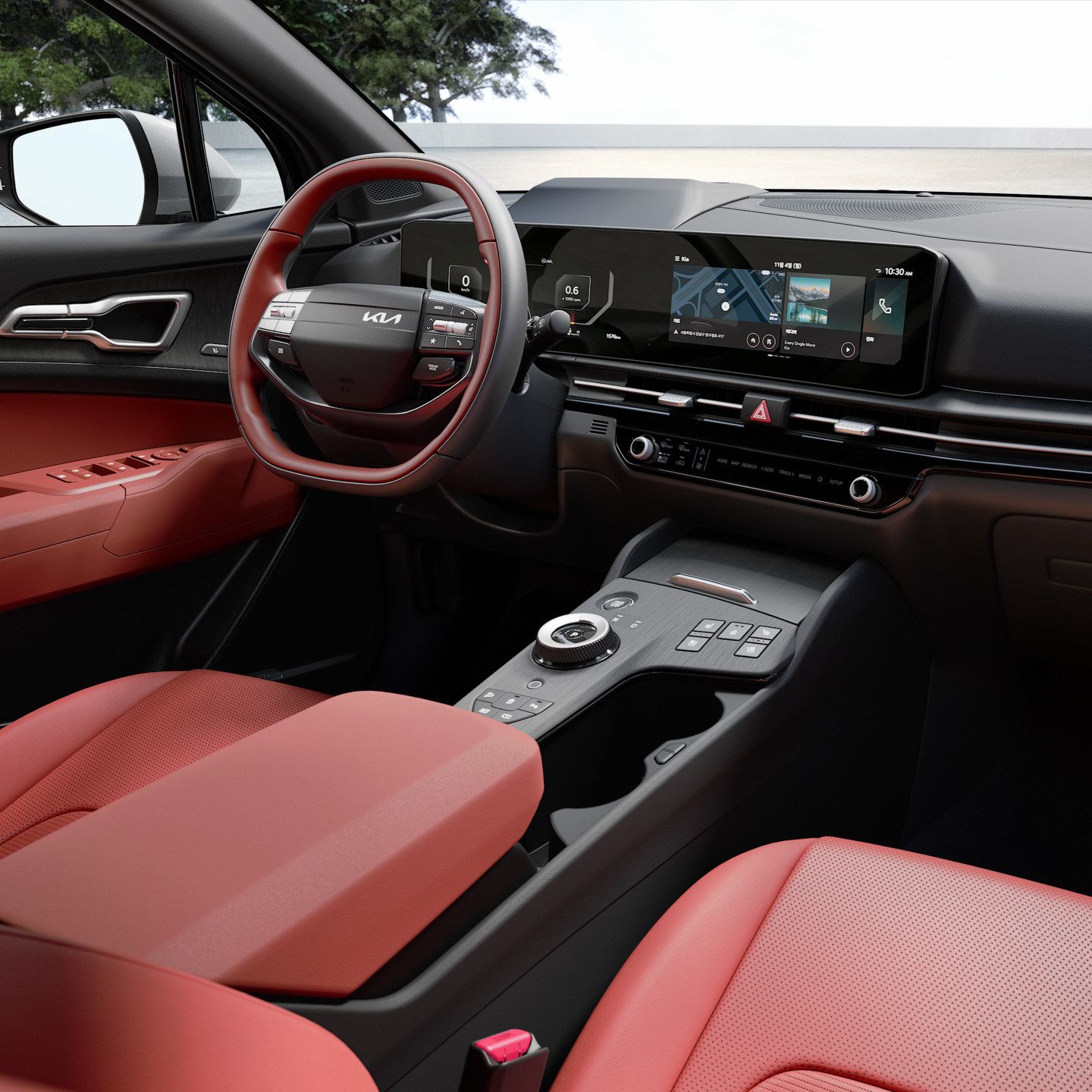
For Winnipeg households whose driving is mostly short hops, the 2027 Kia Sportage Plug-in Hybrid turns most weekdays into zero-fuel days. A 1.49 kWh lithium-ion battery at 270 volts feeds a 17.4-hp electric motor for up to 53 km before the 1.6-litre turbocharged four-cylinder is needed. Charging happens overnight from a wall outlet or a Level 2 charger, and the SUV manages the handoff between electric and hybrid operation with no input from the driver. When the battery runs low, the engine and motor share duties through the 6-speed automatic exactly as a conventional Kia hybrid would.
The result is a fuel tank that drains only on the trips that genuinely need it: highway drives, cottage weekends, and mixed-route days across the city. Cold snaps that trim electric range are absorbed by the gasoline backup rather than leaving a commuter stranded. All of that comes with standard AWD on both trims, 210 mm of ground clearance, 977 L of cargo space behind the rear seats, and towing rated from 1,653 lbs (750 kg) up to 2,000 lbs (907 kg) when properly equipped.
- Map a typical week of trips and count how many round trips fall inside 53 km; those are the days the engine can stay off.
- Arrange a charging point at home, since the electric-first routine depends on topping up the 1.49 kWh battery overnight.
- Plan longer drives across Manitoba without a charging stop, knowing the 1.6-litre turbo engine takes over automatically when the battery depletes.
- Compare the EX AWD and EX Premium AWD trims, both on 19-inch wheels, to decide which equipment level fits your budget.
- Load the 977 L cargo area with hockey bags or a weekend’s gear at Winnipeg Kia to confirm the space works without folding seats.
Plug-in hybrids solve the problem that keeps many Prairie drivers away from full EVs: winter range loss and long stretches between chargers. The Sportage PHEV runs electric when it can and switches to gasoline when it must.
